SEPTIC GUIDE · PUMPING COSTS
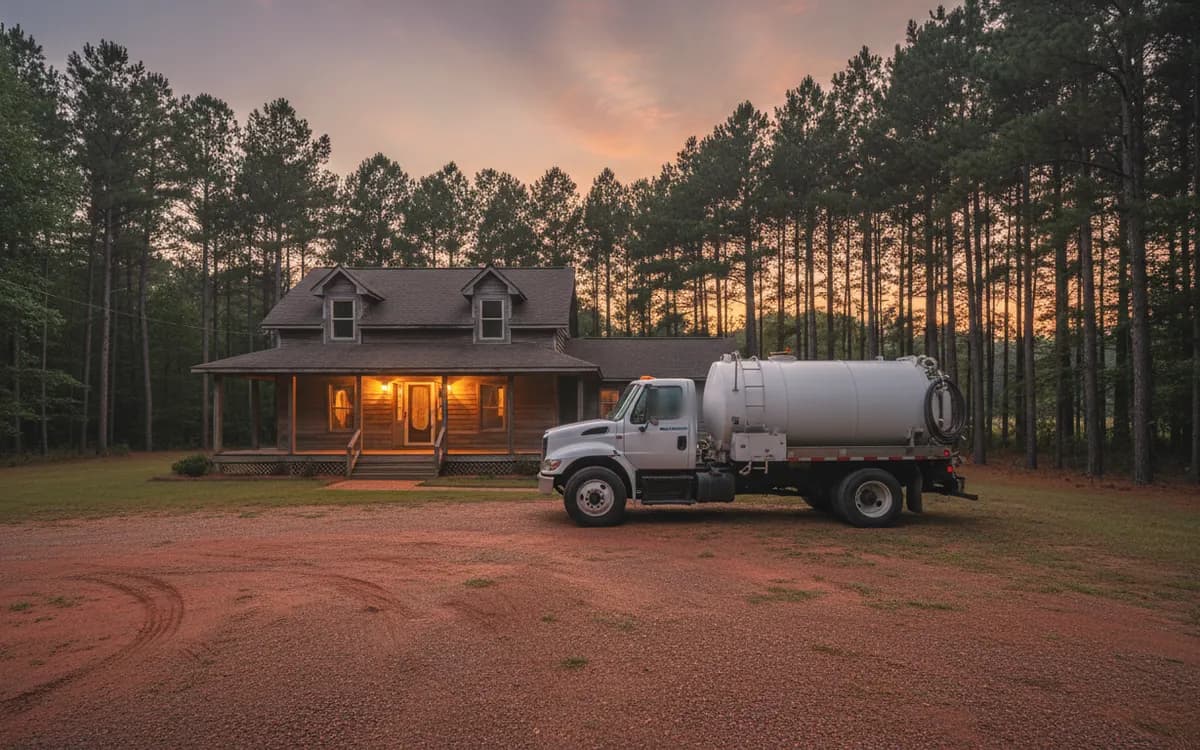
How much does septic pumping cost in Atlanta, Covington and Conyers?
- Georgia DPH-certified installer & pumper
- Homes across metro Atlanta
- Emergency line answered 24/7
Get a free estimate
or call (678) 863-5620The short answer
How much does septic pumping cost in Atlanta, Covington and Conyers?
Published 2026 figures put a metro Atlanta septic pump-out between roughly $250 and $1,048. Angi reports most Atlanta jobs at $359 to $1,048, while Septic & Well Pro lists $250 to $375 for the metro. Tank size, buried or unknown lids and heavy grease push totals up. No publisher breaks out Covington or Conyers separately.
Reviewed by Atlanta Water & Sewage Solutions · Last updated
Who does the work
One crew, the whole line
- Georgia DPH Certified Septic Tank Installer Listed by the Georgia Department of Public Health
- Georgia DPH Certified Septic Tank Pumper Listed by the Georgia Department of Public Health
- Homeowners across metro Atlanta, from our shop in Oxford, GA
Key facts
Septic pumping price benchmarks
Each row links to the agency, code or publisher it comes from. Tap a source to check it yourself.
| Topic | What it says | Source |
|---|---|---|
| Atlanta, most jobs (Angi 2026) | $359 to $1,048, with a reported average near $702 | Angi — How Much Does It Cost to Pump a Septic Tank in Atlanta? (updated May 5, 2026), 2026 |
| Atlanta, 1,000-gallon tank (Angi 2026) | $300 to $550 | Angi — How Much Does It Cost to Pump a Septic Tank in Atlanta? (updated May 5, 2026), 2026 |
| Metro Atlanta (Septic & Well Pro 2026) | $250 to $375 | Septic & Well Pro — Septic Pumping Cost Georgia 2026 (updated April 10, 2026), 2026 |
| National typical (HomeGuide 2026) | $300 to $700, or about $0.30 to $0.70 per gallon | HomeGuide — How Much Does Septic Tank Pumping Cost? (2026 data), 2026 |
| Hard-to-reach tank (Angi 2026) | Adds $200 to $300 in Atlanta | Angi — How Much Does It Cost to Pump a Septic Tank in Atlanta? (updated May 5, 2026), 2026 |
| Hauler disposal example (Monroe 2026) | Septic haulers pay $0.30 per gallon to discharge at the city plant | City of Monroe Wastewater Rates 2026 (septic hauler discharge), 2026 |
| Gwinnett credit | 10 percent off the stormwater utility fee for five years after a pump-out | Gwinnett County DWR — Stormwater Utility Fee Credits, 2026 |
Plain definitions
Cost terms you'll see on a quote
- Pump-out
- Removal of the full tank contents (liquid, sludge and scum), which Georgia DPH defines as septage removal.↗
- Locating fee
- A charge for finding a tank or lids that aren't marked, often using probes and the county permit drawing.
- Access or digging charge
- An added amount for uncovering lids buried under soil, landscaping or hardscape.↗
- Disposal fee
- What the hauler pays a treatment plant or permitted site to accept the septage, which is built into the price you see.↗
What it costs
Published septic pumping ranges for the Atlanta area
Atlanta septic pumping, most projects
$359–$1,048
per pump-out
Angi, 2026; average reported around $702
Typical market range — Angi — How Much Does It Cost to Pump a Septic Tank in Atlanta? (updated May 5, 2026), 2026
Atlanta, 1,000-gallon tank
$300–$550
per pump-out
Angi, 2026
Typical market range — Angi — How Much Does It Cost to Pump a Septic Tank in Atlanta? (updated May 5, 2026), 2026
Metro Atlanta pumping
$250–$375
per pump-out
Septic & Well Pro, 2026
Typical market range — Septic & Well Pro — Septic Pumping Cost Georgia 2026 (updated April 10, 2026), 2026
Typical U.S. pump-out
$300–$700
per pump-out
HomeGuide, 2026
Typical market range — HomeGuide — How Much Does Septic Tank Pumping Cost? (2026 data), 2026
1,500-gallon tank, U.S.
$450–$1,050
per pump-out
HomeGuide, 2026
Typical market range — HomeGuide — How Much Does Septic Tank Pumping Cost? (2026 data), 2026
Difficult access, Atlanta
$200–$300
added
Angi, 2026
Typical market range — Angi — How Much Does It Cost to Pump a Septic Tank in Atlanta? (updated May 5, 2026), 2026
Digging to reach the tank, Georgia
$50–$150
added
Septic & Well Pro, 2026
Typical market range — Septic & Well Pro — Septic Pumping Cost Georgia 2026 (updated April 10, 2026), 2026
Effluent filter cleaning, Georgia
$25–$75
added
Septic & Well Pro, 2026
Typical market range — Septic & Well Pro — Septic Pumping Cost Georgia 2026 (updated April 10, 2026), 2026
What moves the price
These are typical market ranges from Angi, HomeGuide and Septic & Well Pro (2026), not our prices. Estimates from Atlanta Water & Sewage Solutions are free, and we'll tell you before any digging is needed.
Free estimate: (678) 863-5620- 01Gallons in the tankHomeGuide prices pumping at roughly $0.30 to $0.70 per gallon, so a 1,500-gallon tank costs more than a 1,000-gallon one.
- 02Buried or lost lidsEvery foot of soil over the lids means shovel time. A county permit drawing can shorten the search.
- 03No risersWithout risers the lids get dug up at each visit. Adding them once removes that step from every later pump-out.
- 04Years since the last pump-outOverdue tanks hold packed sludge and thick scum that take longer to remove.
- 05Fats, oils and greaseAngi reports heavy grease can add $200 to $800 to an Atlanta job.
- 06Disposal distance and feesHaulers pay plants to accept septage, such as Monroe's $0.30 per gallon, and travel to reach them.
The whole story
Covington, Conyers and the east-side picture
None of the cost publishers we reviewed report figures specific to Covington in Newton County or Conyers in Rockdale County. Their Atlanta and Georgia numbers are the closest benchmarks, and the same drivers apply east of the city. We would rather tell you that plainly than invent a local average.
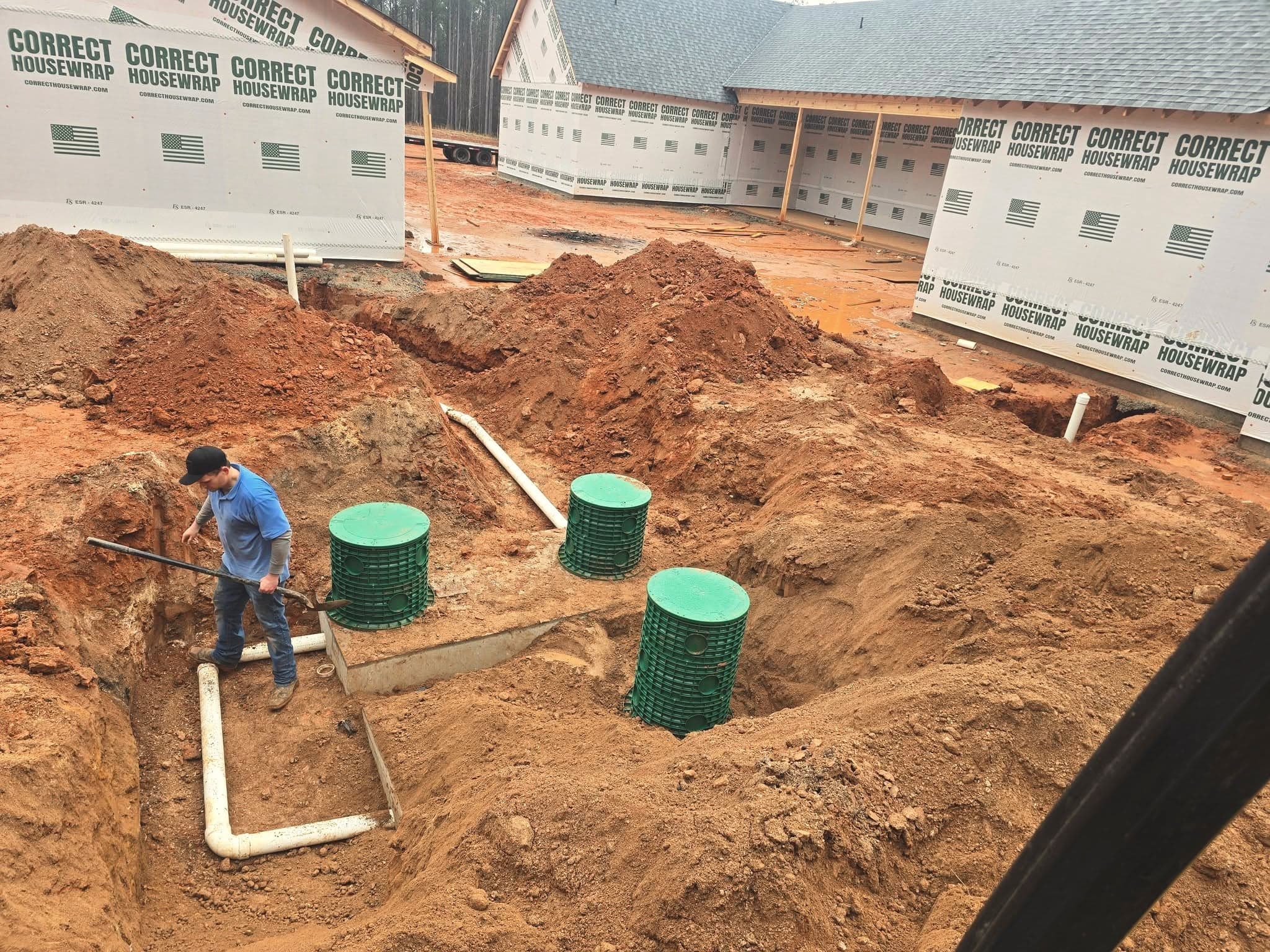
What does differ on this side of the metro is the ground. Older homes around Covington, Oxford and Conyers often have tanks set decades ago, before Georgia required risers on deeply buried tanks. When nobody knows where the lids are, locating and digging through compacted red clay becomes a real share of the bill.
Newer subdivisions tend to be easier. Georgia's current standards call for a riser wherever a tank sits under more than 12 inches of soil, which usually means lids at or near grade and a shorter visit.
If you are in Gwinnett, the math has one more line. The county's water department credits 10 percent of the stormwater utility fee for five years after a pump-out, which offsets part of the service cost over time.
How the job runs
How to get a fair septic pumping quote
- 1
Pull your permit drawing
The county Environmental Health office keeps the original permit, which often shows tank size and location. See finding septic permit records.
- 2
Tell each company the tank size and lid situation
Say whether you have risers, know where the lids are, or have no idea. Those answers move the price more than anything else.
- 3
Ask whether every compartment is included
Georgia DPH defines a pump-out as removing all liquid, sludge and scum, and tanks have openings over each compartment for that reason. A cheap quote that pumps only the outlet side isn't the same job.
DPH Manual I.2.DGeorgia DPH Manual for On-Site Sewage Management Systems (2026), incl. Section I Septage Removal and Disposal
- 4
Confirm certification
Georgia requires sewage pumpers to be DPH-certified and to hold a septage removal permit. DeKalb Public Health notes only a certified contractor may pump a tank.
Rules 511-3-1-.11, .16Georgia DPH Rules Chapter 511-3-1, On-Site Sewage Management Systems (Jan 2016)
- 5
Get the written condition notes
DPH requires the pumper to document the tank's condition for the owner. Keep that record with the receipt for resale, county evaluations and the Gwinnett credit.
FAQ
Septic pumping cost questions
Straight answers, with the rule or record behind them. Still unsure? Call and ask the crew that digs.
(678) 863-5620What is the average cost to pump a septic tank in Atlanta?
Angi's May 2026 Atlanta page reports an average near $702, with most projects landing between $359 and $1,048. Septic & Well Pro's 2026 Georgia article lists a lower metro range of $250 to $375. These are third-party typical market ranges, and your total depends mostly on tank size and how easy the lids are to reach.
Source: Angi — How Much Does It Cost to Pump a Septic Tank in Atlanta? (updated May 5, 2026)
How much does it cost to pump a 1,000-gallon septic tank?
Angi's 2026 Atlanta data puts a 1,000-gallon pump-out at $300 to $550. That size is common in Georgia: UGA Extension notes a three-bedroom, two-bath home often has one. Add access charges if the lids are buried, and expect a higher figure if the tank is badly overdue or carries a heavy grease layer.
Source: Angi — How Much Does It Cost to Pump a Septic Tank in Atlanta? (updated May 5, 2026)
Why do some septic pumping quotes cost so much more than others?
Usually because the jobs aren't the same. One company may pump only through an outlet riser, while another opens and empties every compartment, cleans the effluent filter and checks the tees, as Georgia DPH's pumping standards describe. Digging, locating and grease removal also vary. Ask exactly what each quote includes.
Are there published septic pumping prices for Covington or Conyers?
Not that we found. Angi, HomeGuide and Septic & Well Pro publish Atlanta, Georgia or national figures rather than city-level numbers for Covington or Conyers. Those metro ranges are the most useful benchmark for Newton and Rockdale homes, with extra digging time on older properties where tank lids were never brought up to grade.
Source: Septic & Well Pro — Septic Pumping Cost Georgia 2026 (updated April 10, 2026)
Do risers save money on septic pumping?
Over time, usually yes. Septic & Well Pro lists $50 to $150 for digging to reach a Georgia tank, and Angi reports difficult access adding $200 to $300 in Atlanta. Risers bring the lids to the surface, so that charge drops off future visits. We don't have a sourced price for riser installation itself, so ask for a quote.
Source: Septic & Well Pro — Septic Pumping Cost Georgia 2026 (updated April 10, 2026)
Does Gwinnett County give a credit for pumping a septic tank?
Yes. Gwinnett's Department of Water Resources grants a 10 percent credit on the stormwater utility fee for five years after you pump. You apply with the county's credit form and a receipt from a licensed hauler. Total credits are capped at 40 percent per property, and city-billed owners should ask their city.
Source: Gwinnett County DWR — Stormwater Utility Fee Credits
Is it cheaper to pump more often or less often?
Stretching the interval saves on service calls but raises risk. Georgia DPH's manual warns that high sludge can wash solids into the drain field, and repairing a clogged field costs far more than a pump-out. Staying within the 3-to-5-year window DPH suggests is usually the lower-cost path. Our pumping frequency guide explains how to pick yours.
Keep going
Related services, guides and areas
Sources
Where these facts come from
Rules, costs and local facts on this page link to the agency, code or publisher that states them. Cost figures are third-party market ranges, not our prices — estimates are free.
Reviewed by Atlanta Water & Sewage Solutions · Last updated
- 1Angi — How Much Does It Cost to Pump a Septic Tank in Atlanta? (updated May 5, 2026) (2026)
- 2HomeGuide — How Much Does Septic Tank Pumping Cost? (2026 data) (2026)
- 3Septic & Well Pro — Septic Pumping Cost Georgia 2026 (updated April 10, 2026) (2026)
- 4City of Monroe Wastewater Rates 2026 (septic hauler discharge) (2026)
- 5Gwinnett County DWR — Stormwater Utility Fee Credits (2026)
- 6Georgia DPH Manual for On-Site Sewage Management Systems (2026), incl. Section I Septage Removal and Disposal (2026)
- 7Georgia DPH Rules Chapter 511-3-1, On-Site Sewage Management Systems (Jan 2016) (2016)
- 8UGA Extension Bulletin B1421, septic system care (rev. Oct 18, 2024) (2024)
- 9DeKalb Public Health — Septic Systems (2026)
Ready when you are
Rather have a pro look at it? Call the crew that digs.
Three cost publishers, three different ranges. We line them up, explain why they differ, and show which parts of the bill you can actually influence.
(678) 863-5620- Georgia DPH-certified installer & pumper
- Residential & commercial
- Oxford, GA
Free estimate
or call (678) 863-5620