
KNOWLEDGE BASE · SEPTIC & SEWER
Septic and sewer guides for metro Atlanta homeowners
- Georgia DPH-certified installer & pumper
- Residential & commercial
- Emergency line answered 24/7
Get a free estimate
or call (678) 863-5620The short answer
What do these guides cover?
These guides answer the septic and sewer questions metro Atlanta homeowners ask most: which county office issues septic permits, how often a tank needs pumping, what repairs typically cost, how to tell septic from sewer, and which warning signs mean a drain field is failing. Every rule and price range links to its published source.
Reviewed by Atlanta Water & Sewage Solutions · Last updated
Who does the work
One crew, the whole line
- Georgia DPH Certified Septic Tank Installer Listed by the Georgia Department of Public Health
- Georgia DPH Certified Septic Tank Pumper Listed by the Georgia Department of Public Health
- Homes and businesses across metro Atlanta, from our shop in Oxford, GA
Key facts
Three Georgia basics most guides build on
Each row links to the agency, code or publisher it comes from. Tap a source to check it yourself.
| Topic | What it says | Source |
|---|---|---|
| Governing rule | Septic systems statewide fall under Georgia DPH Chapter 511-3-1, administered by each county's environmental health office. | Georgia DPH Rules Chapter 511-3-1, On-Site Sewage Management Systems (Jan 2016), 2016 |
| Pumping interval (UGA) | UGA Extension suggests having a tank pumped roughly every 3 to 7 years, depending on tank size and household use. | UGA Extension Bulletin B1421, septic system care (rev. Oct 18, 2024), 2024 |
| Additives | Georgia DPH advises that septic additives are not needed for a properly working system. | Georgia DPH — Additives and Your On-site Sewage Management System (advisory) |
Start here
Start with your county's rules
- 01
Metro Atlanta septic & sewer rules, county by county
Environmental health offices, permit paths, fees, soil reports, sewer utilities and lateral ownership for Newton, Rockdale, Walton, Gwinnett, DeKalb, Morgan and Jasper.
Read the county rules guide - 02
Getting a septic permit in Georgia
The order of steps from site evaluation to the final inspection before the system is covered.
See the permit steps - 03
Septic or sewer? The 200-foot question
How to tell which one serves your house, and when Georgia expects a connection to public sewer.
Find out which you have
Start here
Owning a septic system
- 01
How often to pump a septic tank in Georgia
Intervals by household size and tank capacity, and what changes the schedule.
Check your pumping interval - 02
Septic pumping cost around Atlanta
Published price ranges and the things that push a pump-out bill up or down.
See pumping cost ranges - 03
Do septic additives work?
What Georgia's health department says about additives and what actually protects a system.
Read the additives answer - 04
Septic inspections when a Georgia home sells
What the state requires, what counties offer, and what happens if the system fails.
Plan a pre-sale inspection - 05
Why red clay is hard on septic systems
Piedmont soils, percolation and why drain fields here are often larger.
Understand clay soil and septic
Start here
When something goes wrong
- 01
Your septic alarm is going off
What the alarm is telling you, the first things to do, and when it becomes urgent.
Respond to a septic alarm - 02
Signs a drain field is failing
Soggy ground, odors, slow drains and the other symptoms, plus repair versus replacement.
Check the drain field warning signs - 03
Sewer line repair cost in Atlanta
Per-foot and per-job ranges, trenchless versus open trench, and who owns which pipe.
See sewer repair cost ranges
Start here
Costs and the printable checklist
- 01
Septic and sewer costs in Georgia, 2026
Published ranges for pumping, inspections, drain fields, new systems, sewer laterals and water lines, each with its source and year.
Compare Georgia septic and sewer costs - 02
Homeowner septic checklist (printable)
Monthly, yearly and pump-out checks plus the records to keep, with a one-page PDF to print.
Get the septic checklist - 03
Septic or sewer: which costs more over time?
Pump-outs and eventual replacement weighed against monthly sewer bills and connection fees.
Weigh septic against sewer costs
Start here
Tanks, setbacks and records
- 01
Minimum septic tank size in Georgia
The bedroom-based sizing rule, the garbage-disposal increase and the two-compartment requirement.
Check the required tank size - 02
Septic setbacks for pools, additions and wells
How far a tank and drain field must stay from buildings, wells, water and property lines.
Look up septic setback distances - 03
Finding your septic permit and tank
Where each county keeps permits and as-built drawings, and how a tank is located when there is no record.
Find your septic records - 04
Aerobic (ATU) system maintenance
What an aerobic unit needs between pump-outs and what the county permit expects of the owner.
Maintain an aerobic system
Start here
Sewer lines, water lines and odors
- 01
Septic backing up after heavy rain
Why a saturated drain field pushes water back to the house, what to do today and how to prevent it.
Fix a backup after rain - 02
Sewer smell in the house
Dry traps, vents, wax rings and broken lines: tracing the odor and knowing when it is a hazard.
Track down a sewer smell - 03
Tree roots in the sewer line
How roots get into old joints, the signs, and clearing versus repairing the pipe.
Deal with roots in a sewer line - 04
Signs of a leaking water service line
Meter tests, high bills, wet spots and pressure drops, plus who owns which side of the meter.
Spot a water line leak - 05
Who owns the sewer lateral?
Where homeowner responsibility ends and the utility's begins, utility by utility.
See who pays for lateral repairs - 06
Septic-to-sewer conversion
The steps, permits and tank abandonment when public sewer reaches your street.
Plan a septic-to-sewer conversion
The whole story
How the guides are written
Each guide leads with a 40 to 60 word answer you can read on its own, followed by a facts table in which every row names its source and year. Rules come from Georgia DPH Chapter 511-3-1 and the county environmental health offices; cost figures are typical third-party market ranges, not quotes from us.
Rules and fees change. Each guide shows the date it was last reviewed, and the county office named in it has the final word on your property. If you would rather talk it through, call (678) 863-5620 for a free estimate.
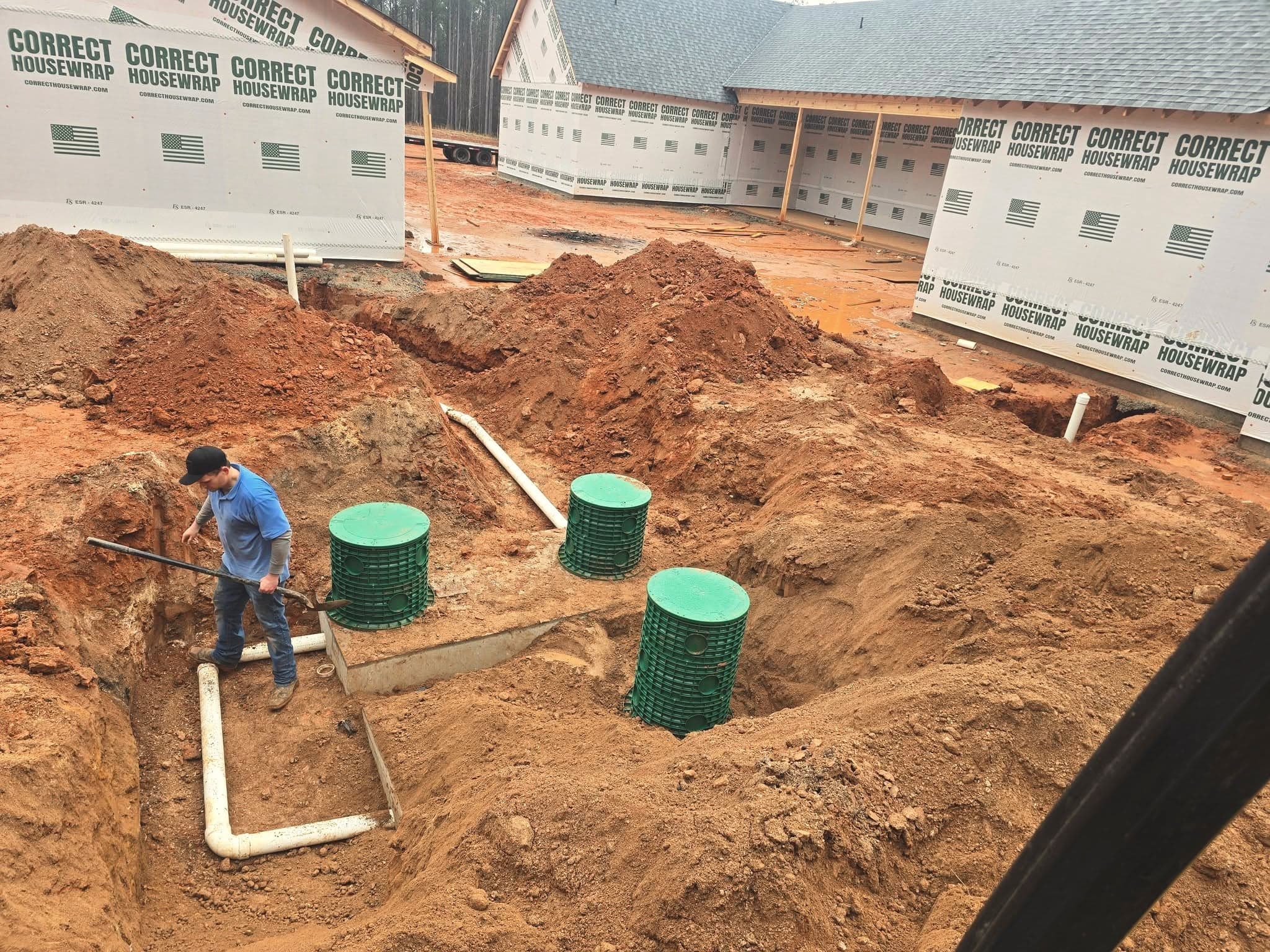
Sources
Where these facts come from
Rules, costs and local facts on this page link to the agency, code or publisher that states them. Cost figures are third-party market ranges, not our prices — estimates are free.
Reviewed by Atlanta Water & Sewage Solutions · Last updated
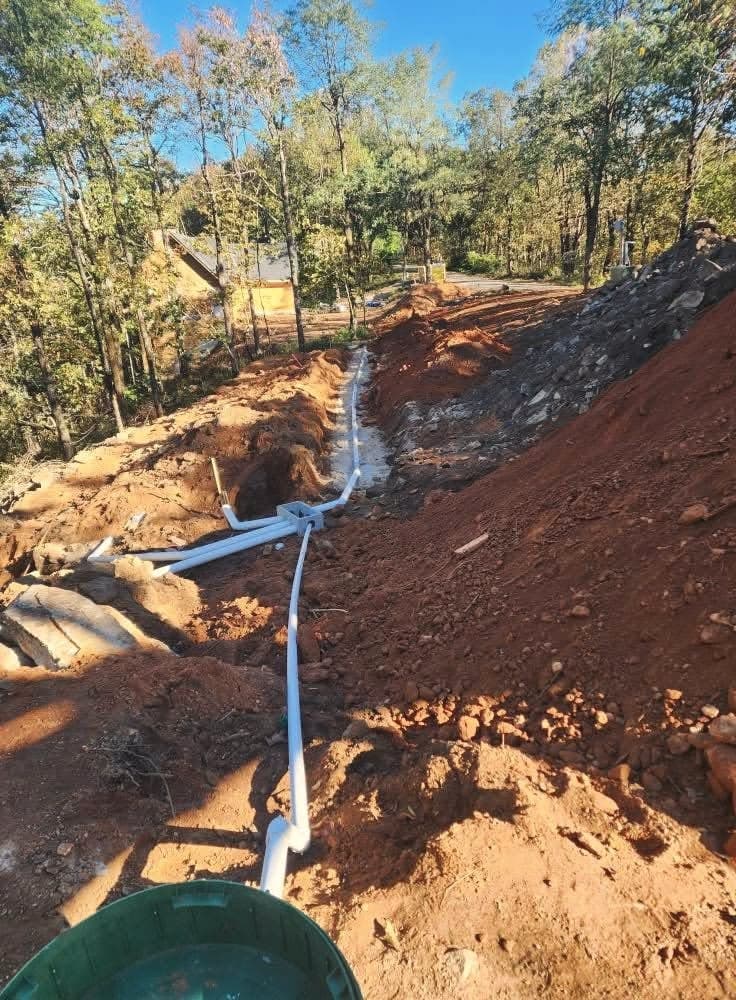
Ready when you are
Rather have a pro look at it? Call the crew that digs.
Each guide opens with a short, direct answer, then shows the Georgia rule, the county office and the numbers behind it. Pick the question closest to yours.
(678) 863-5620- Georgia DPH-certified installer & pumper
- Residential & commercial
- Oxford, GA
Free estimate
or call (678) 863-5620