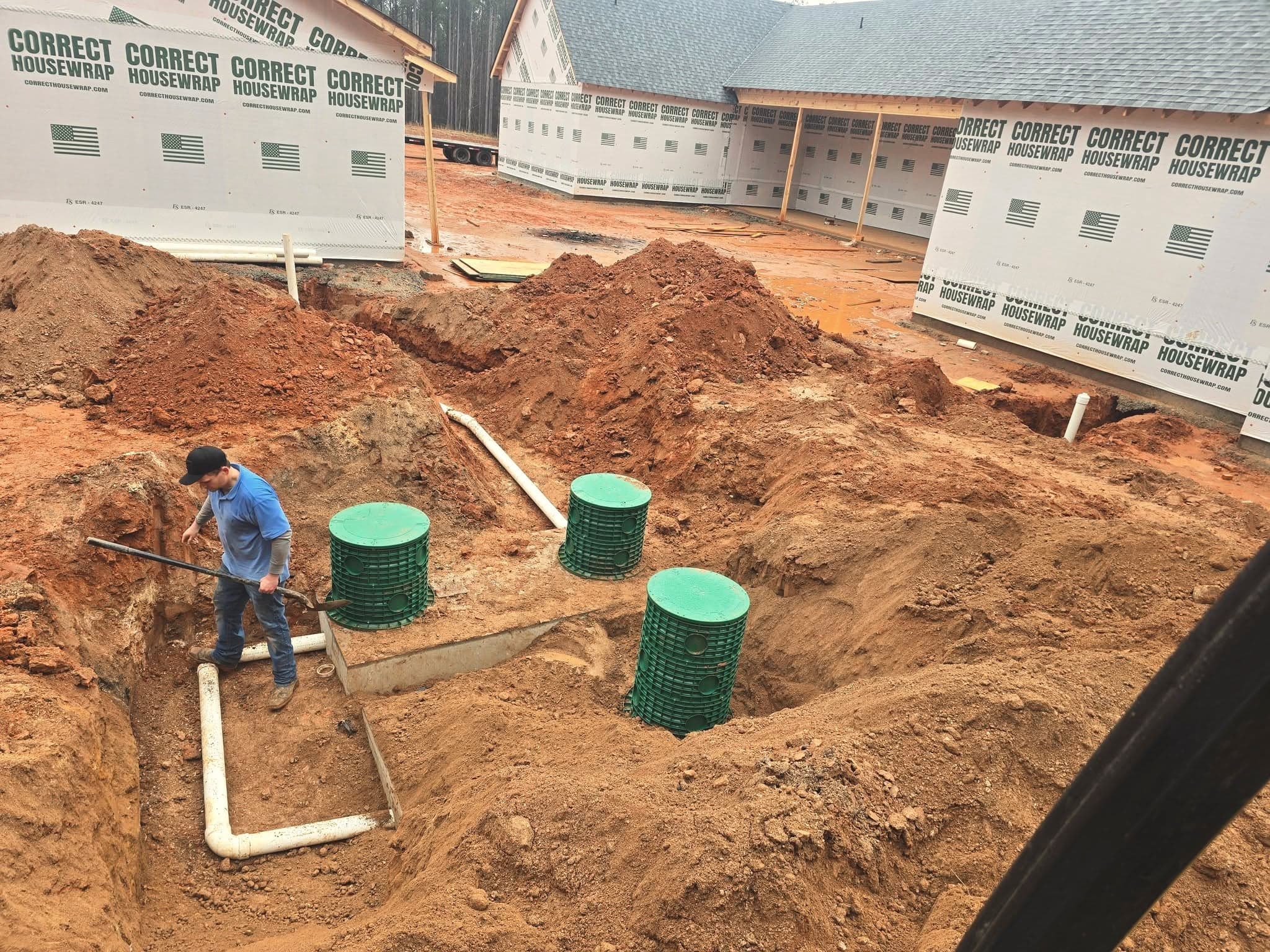
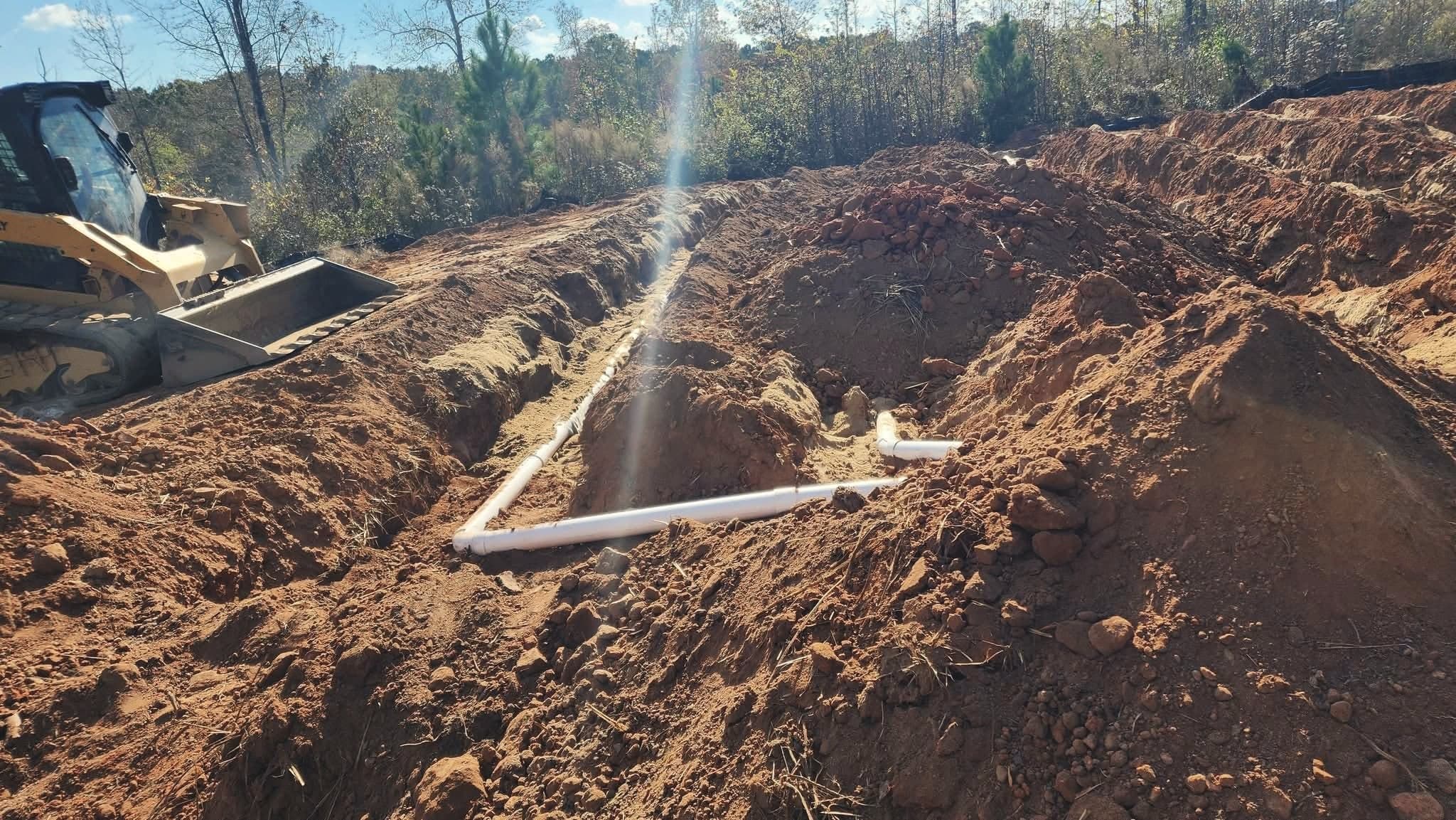
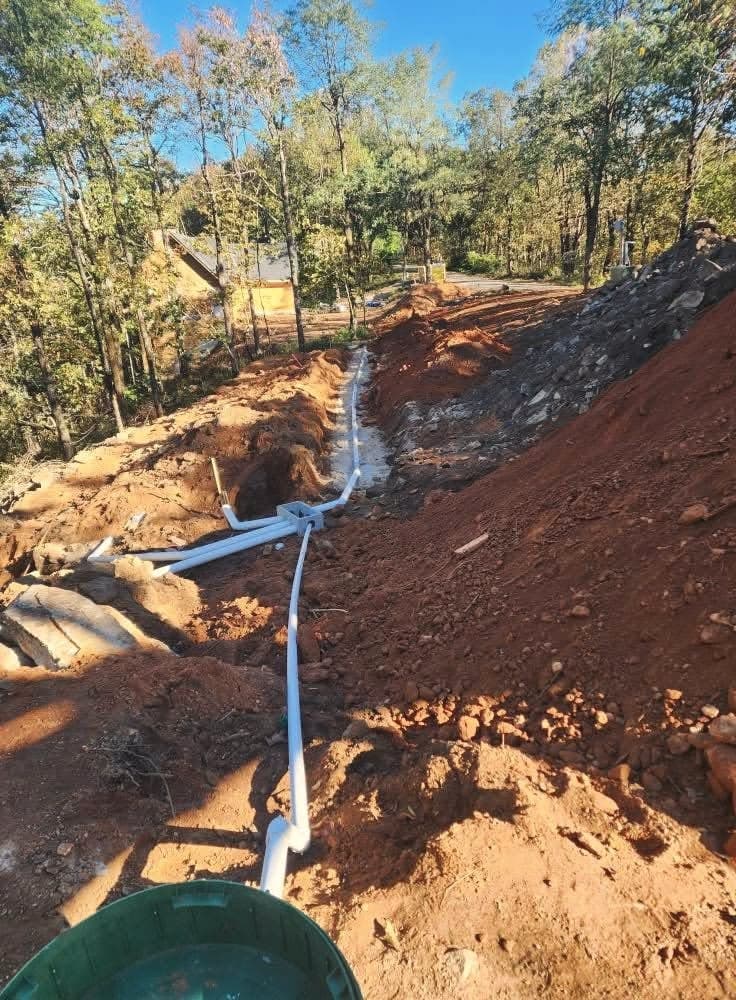
Most delays we see on new construction aren't about the tank. They're about the lot. Walton County's Board of Health ordinance sets a minimum of 25,500 square feet of usable soil when the house is on public water and 51,000 square feet with a private well, with room for an equal-size replacement area. Land within 50 feet of lakes, streams and wetlands doesn't count toward usable soil. The ordinance also caps daily sewage flow at 600 gallons per acre on private wells and 1,200 gallons per acre on public water.
Those numbers matter before you buy. A lot that looks big on a plat can shrink fast once you subtract the stream buffer, the well radius and the 100-foot separation Georgia requires between a drain field and any well. Neighbors' wells count too. That's why Walton's form asks for wells on adjacent lots.
The other trap is changing the house after the permit. GNR's new-construction requirements say the bedroom count on the application must match the floor plan, and unapproved changes to bedrooms or the house location void the permit. A bonus room that reads as a bedroom on the plan can bump the tank size, so it's worth settling the floor plan first.
Because one crew clears the site, digs the tank hole, lays the field and does the final grading, the stakes the county inspector approved are the stakes we build to. There's no handoff between an excavator and a septic sub where a trench line drifts two feet toward a property line.
Georgia has a lot of these systems. UGA's College of Agricultural and Environmental Sciences reported that 36.8% of Georgia homes use septic, against 25% nationally, and counted about 525,970 systems in metro Atlanta in 2006. Every one of them started with a permit on file at a county office, which is also where you can find your own septic permit records.