
GUIDE · SELLING A HOME ON SEPTIC
Is a septic inspection required to sell a house in Georgia?
- Georgia DPH-certified installer & pumper
- Homes across metro Atlanta
- Emergency line answered 24/7
Get a free estimate
or call (678) 863-5620The short answer
Is a septic inspection required to sell a house in Georgia?
No statewide Georgia rule requires a septic inspection before a house is sold. In practice, many sales include one anyway because buyers write it into the contract, lenders want proof the system works, and county Environmental Health offices issue existing-system evaluation letters for closings. If a problem turns up, any repair must be permitted and inspected.
Reviewed by Atlanta Water & Sewage Solutions · Last updated
Who does the work
One crew, the whole line
- Georgia DPH Certified Septic Tank Installer Listed by the Georgia Department of Public Health
- Georgia DPH Certified Septic Tank Pumper Listed by the Georgia Department of Public Health
- Homeowners across metro Atlanta, from our shop in Oxford, GA
Key facts
Septic and Georgia home sales: what is and isn't required
Each row links to the agency, code or publisher it comes from. Tap a source to check it yourself.
| Topic | What it says | Source |
|---|---|---|
| Statewide point-of-sale inspection rule | None in Chapter 511-3-1; Rule .17(4) governs only how an evaluation is performed when one is done | Georgia DPH Rules Chapter 511-3-1, On-Site Sewage Management Systems (Jan 2016), 2016 |
| Owner's legal duty | The property owner is responsible for operating and maintaining the system (511-3-1-.17(2)) | Georgia DPH Rules Chapter 511-3-1, On-Site Sewage Management Systems (Jan 2016), 2016 |
| Basis of a county evaluation | Original installation inspection records, maintenance records and a site check of current performance | Georgia DPH Manual for On-Site Sewage Management Systems, Section L (March 2026), 2026 |
| GNR evaluation fee (Newton schedule) | $145 for a Visual Inspection (Existing System Evaluation); reinspection $175 | GNR Environmental Health Fee Schedule — Newton County (effective Jan 1, 2026), 2026 |
| Walton County letter prerequisite | Proof of a tank pump-out within the past 5 years | Walton County Environmental Health — Service Request Form (Northeast Health District), 2023 |
| Walton residential evaluation fee | $200 on the August 2024 schedule | Walton County Environmental Health Fees (effective August 1, 2024), 2024 |
| Published Atlanta range for a full sale inspection | $300 to $600+ (HomeGuide, 2023; a third-party market range, not our price) | HomeGuide — Septic Inspection Cost (Dec 7, 2023), 2023 |
| If repairs are needed | Repair, replacement or additions must be permitted and inspected (511-3-1-.03(2)(c)) | Ga. Comp. R. & Regs. 511-3-1 (Georgia Secretary of State rules index) |
Plain definitions
Three documents that get confused at closing
- County septic letter
- A county septic letter is Environmental Health's written result from an existing system evaluation, stating whether the system appears satisfactory based on records and a site visit.↗
- Contractor inspection report
- A contractor inspection report is a septic company's written findings after locating, opening and usually pumping the tank and checking the distribution box and drain field.
- Pumping record
- A pumping record is the receipt from a DPH-approved pumper showing the date a tank was emptied; some counties want one before issuing a satisfactory letter.↗
- Due-diligence period
- In a Georgia purchase contract, the due-diligence period is the window when a buyer can inspect the property, including the septic system, and still walk away or renegotiate.
The whole story
Why inspections happen when the law doesn't demand them
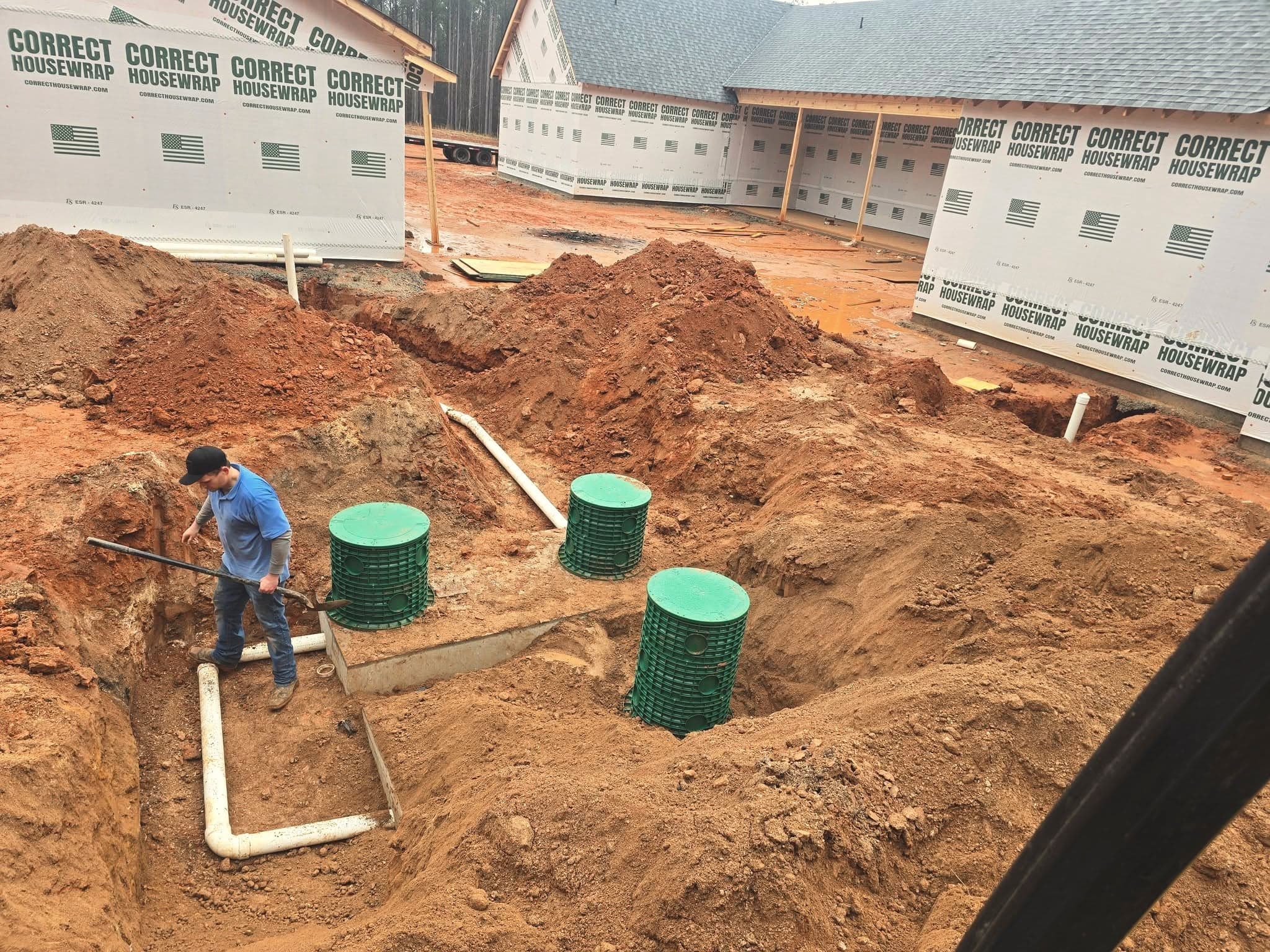
Georgia regulates septic systems when they are built, repaired or enlarged, not when the deed changes hands. The state rule that mentions evaluating an existing system, 511-3-1-.17(4), is a procedure requirement: if someone evaluates the system, they follow the DPH Manual. It does not create a duty to evaluate.
Three parties fill that gap. The buyer, who can make the sale contingent on a septic check during due diligence. The lender, which may want some evidence that the home's wastewater system functions before funding. And the county, whose Environmental Health office will review its file and visit the site when someone requests a letter. GNR's own evaluation application lists a loan closing for a home sale or refinance as a reason for the request.
A seller who knows this can get ahead of it. Pulling the county file, pumping the tank and fixing an obvious defect before listing takes the septic question off the table, and it puts the seller in charge of the timeline instead of the buyer's inspector.
How the job runs
How to handle septic during a Georgia home sale
- 1
Find out who is asking and for what
A lender's checklist, a buyer's contract clause and a closing attorney's request can each mean something different. Get the exact wording before booking anything, because a county letter and a contractor report are not interchangeable.
- 2
Pull the county file
Ask the Environmental Health office for the permit, the approved bedroom count and any installation drawing. Gwinnett has offered digitized septic location records through its public GIS since 2011. In DeKalb, DeKalb Public Health handles letters for loans and refinances.
Gwinnett County — Septic Tank Records Now Available Online (news release, June 14, 2011)
- 3
Pump the tank and open it up
Emptying the tank lets an inspector see walls, seams and the inlet and outlet fittings. It also produces the pumping record some counties want. UGA Extension recommends pumping every 3 to 7 years, so a tank with no receipts is worth opening.
UGA Extension Bulletin B1421 — A Beginner's Guide to Septic Systems (Oct 2024)
- 4
Check the distribution box and drain field
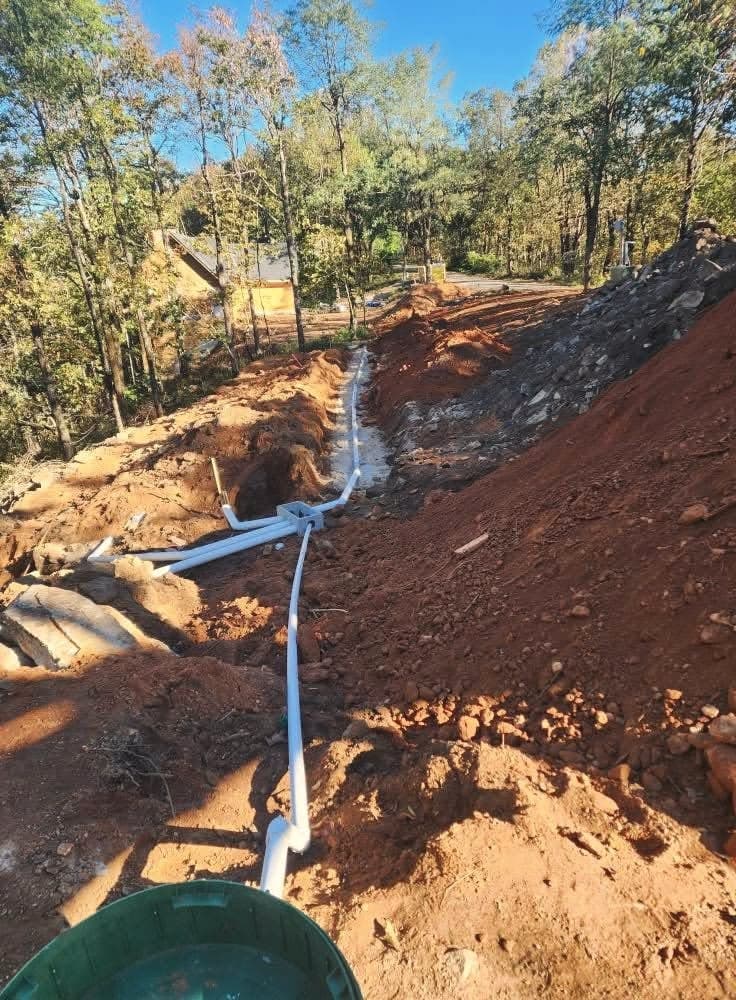
Most expensive failures live past the tank. The inspector looks at whether the distribution box is level and intact, then probes the field lines for saturation, standing effluent or surfacing.
- 5
Request the county evaluation if one is needed
File the county's existing system evaluation request with its fee. In Walton, have the pumping receipt ready, since a satisfactory letter depends on it.
Walton County Environmental Health — Service Request Form (Northeast Health District)
- 6
Permit any repair before closing
If something failed, the fix goes through a county repair permit and an inspection before cover. Build that time into the contract rather than hoping it fits in the final week.
511-3-1-.03(2)(c)Ga. Comp. R. & Regs. 511-3-1 (Georgia Secretary of State rules index)
Permits & the Georgia rules
County evaluations and repair rules around a sale
- 01
Request the county's existing system evaluation, if the lender or contract calls for a letter.↗
- 02
If the system fails, confirm whether public sewer lies within 200 feet of the property line, which generally means connecting instead of repairing.↗
- 03
In Gwinnett, Newton or Rockdale, obtain a Level 3 soil report before filing a repair permit.↗
- 04
File the repair permit (a contractor may apply as the owner's agent) and allow about 10 working days for GNR review.↗
- 05
Have a DPH-certified contractor make the repair and get it inspected before backfill.↗
Georgia rule 511-3-1-.03(2)(c)
“Repairs, replacement, or additions to existing systems must be permitted and inspected.”
How it varies by county
Newton, Rockdale and Gwinnett (GNR Health)
The evaluation application asks when the tank was last pumped and lists loan closings for a sale or refinance among its reasons. Newton charges $145 for the visual existing-system evaluation.↗
Walton (Northeast Health District)
The service request form covers refinance and purchase evaluations. No satisfactory letter without proof of pumping in the last 5 years. The form and the 2024 fee schedule list different amounts, so confirm the current fee.↗
Northeast Health District, which covers Morgan, lists existing system evaluations among its septic services. Jasper is served by North Central Health District; call the county Environmental Health office for its letter process.↗
DeKalb (DeKalb Public Health)
Septic certification letters for a loan or refinance are requested through DeKalb Public Health, and any repair must be permitted before work starts.↗
Worth knowing
Who pays, and what happens after a failed result
Georgia rules don't say whether buyer or seller pays for a septic inspection. The purchase contract decides. Buyers commonly pay for inspections they order during due diligence; sellers pay for anything they arrange before listing. HomeGuide notes that either party may end up paying depending on local custom.
A failed result is a starting point for negotiation, not an automatic deal-breaker. The useful move is to replace the scary word "failed" with a scope and a number. A broken outlet tee or a cracked lid is a modest repair. A drain field that no longer absorbs is a bigger project that, in the GNR counties, begins with a soil classifier's report and a repair permit. Get a written estimate from a certified installer and let the parties decide on a credit, a price change or a completed repair before closing.
We provide free on-site estimates for septic repair and drain field repair, and because we are on both the DPH installer and pumper lists, the crew that opened the tank can also permit and complete the work.
Georgia rules don't say whether buyer or seller pays for a septic inspection.
FAQ
Septic inspections and Georgia home sales: common questions
Straight answers, with the rule or record behind them. Still unsure? Call and ask the crew that digs.
(678) 863-5620Does Georgia law require a septic inspection when you sell a house?
No. Georgia's on-site sewage rules, Chapter 511-3-1, contain no requirement to inspect a septic system at the point of sale. Rule 511-3-1-.17(4) only says that an evaluation, when one is performed, must follow the DPH Manual. Inspections at sale are driven by purchase contracts, lender conditions and requests for county letters.
Source: Georgia DPH Rules Chapter 511-3-1, On-Site Sewage Management Systems (Jan 2016)
What is a county septic letter and how do I get one?
It is the result of an existing system evaluation by the county Environmental Health office. The office reviews installation and maintenance records and visits the site. In Gwinnett, Newton and Rockdale you apply to GNR Health; Newton's 2026 fee is $145. In Walton the Northeast Health District office handles it, and in DeKalb you go through DeKalb Public Health.
Source: Georgia DPH Manual for On-Site Sewage Management Systems, Section L (March 2026)
Why does Walton County want proof the tank was pumped?
Walton County Environmental Health's service request form states that a satisfactory existing-system evaluation letter requires proof the septic tank was pumped within the last five years. A recent pump-out shows the tank has been maintained and gives the office a record to rely on. Keep the pumper's dated receipt with your closing paperwork.
Source: Walton County Environmental Health — Service Request Form (Northeast Health District)
What does a septic inspection for a home sale check?
A thorough inspection locates and opens the tank, usually pumps it so the walls and inlet and outlet fittings are visible, and checks for leaks or groundwater intrusion. It then looks at the distribution box and probes the drain field for saturation or surfacing effluent. It should also compare the permitted bedroom count with the house as it stands today.
Source: Georgia DPH Manual for On-Site Sewage Management Systems, Section L (March 2026)
Who pays for a septic inspection in a Georgia sale?
No state rule decides it; the purchase contract does. Buyers typically cover the inspections they order during due diligence, and sellers cover anything they arrange before listing. HomeGuide's 2023 cost guide puts a full Atlanta inspection for a real estate transaction at $300 to $600 or more, a third-party market range and not our price. County evaluation fees are separate.
What happens if the septic system fails inspection before closing?
Failure means the defect needs a permitted repair, not that the sale is over. Georgia requires repairs and replacements to be permitted and inspected. In GNR counties that begins with a Level 3 soil report. If public sewer is within 200 feet, connection may be required instead. Buyer and seller then settle the cost through the contract, ideally using a written repair estimate.
Source: Ga. Comp. R. & Regs. 511-3-1 (Georgia Secretary of State rules index)
Is a visual septic inspection enough for a buyer?
It can catch surfacing sewage or obvious odors, but a visual look does not open the tank or probe the field, so it can miss failed fittings, a damaged distribution box or saturated trenches. HomeGuide cautions that visual checks and dye tests may not detect every problem. Buyers taking on an older system with thin records usually get more from a pump-and-probe inspection.
Should a seller inspect the septic system before listing?
It often helps. A pre-listing inspection and pump-out lets the seller find and permit any repair on their own schedule, gather the pumping record a county letter may need, and hand buyers a clean report. That removes a common late-stage surprise and keeps the due-diligence period focused on everything else in the house.
Source: UGA Extension Bulletin B1421 — A Beginner's Guide to Septic Systems (Oct 2024)
Keep going
Keep reading
- Septic inspection for home sales
- Sewer camera inspection of the inlet line
- Septic repair after a failed inspection
- Drain field repair and replacement
- Newton County septic services
- Walton County septic services
- Morgan County septic services
- Covington septic inspections
- Loganville septic inspections
- Monroe septic inspections
- How Georgia septic permits work
- Septic systems in Georgia red clay
- Metro Atlanta septic and sewer guide
Sources
Where these facts come from
Rules, costs and local facts on this page link to the agency, code or publisher that states them. Cost figures are third-party market ranges, not our prices — estimates are free.
Reviewed by Atlanta Water & Sewage Solutions · Last updated
- 1Georgia DPH Rules Chapter 511-3-1, On-Site Sewage Management Systems (Jan 2016) (2016)
- 2Ga. Comp. R. & Regs. 511-3-1 (Georgia Secretary of State rules index)
- 3Georgia DPH Manual for On-Site Sewage Management Systems, Section L (March 2026) (2026)
- 4GNR Health — Septic Systems (2026)
- 5GNR Newton Environmental Health — Existing Septic System Evaluation Application (Rev. 9/9/2016) (2016)
- 6GNR Environmental Health Fee Schedule — Newton County (effective Jan 1, 2026) (2026)
- 7GNR Residential Septic System Repair Permit Application & Requirements (Rev. 2024-05-03) (2024)
- 8Northeast Health District — Sewage/Septic Systems
- 9Walton County Environmental Health — Service Request Form (Northeast Health District) (2023)
- 10Walton County Environmental Health Fees (effective August 1, 2024) (2024)
- 11DeKalb Public Health — Septic Systems
- 12Gwinnett County — Septic Tank Records Now Available Online (news release, June 14, 2011) (2011)
- 13UGA Extension Bulletin B1421 — A Beginner's Guide to Septic Systems (Oct 2024) (2024)
- 14HomeGuide — Septic Inspection Cost (Dec 7, 2023) (2023)
- 15Georgia DPH Certified Septic Tank Installers list (9/18/2026) (2026)
Ready when you are
Rather have a pro look at it? Call the crew that digs.
The state won't stop your closing over a missing septic inspection, but a lender, a buyer or a county letter very well might. Here is what is actually required, what an inspection covers, and what to do if the tank or field doesn't pass.
(678) 863-5620- Georgia DPH-certified installer & pumper
- Residential & commercial
- Oxford, GA
Free estimate
or call (678) 863-5620